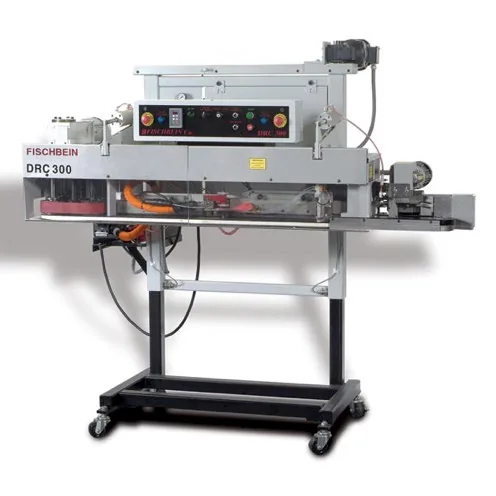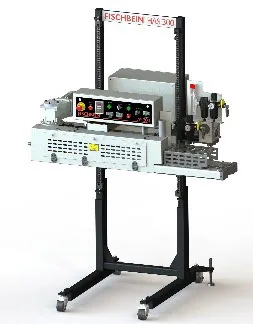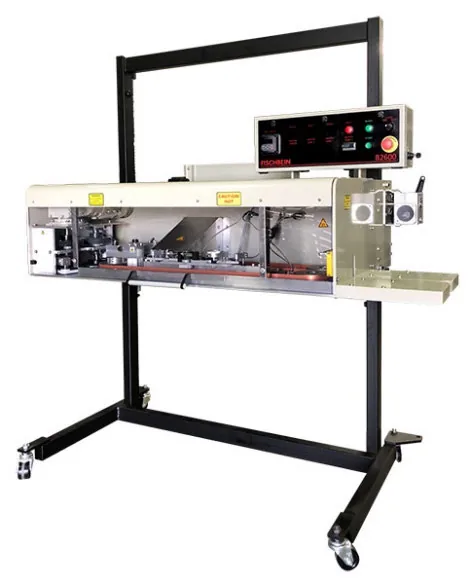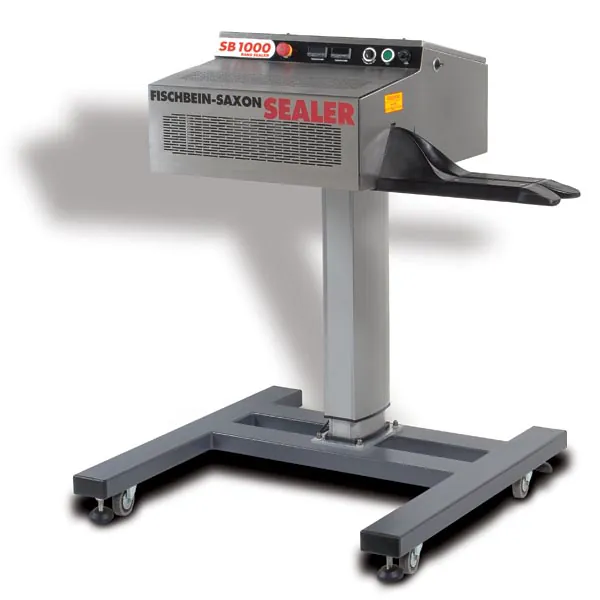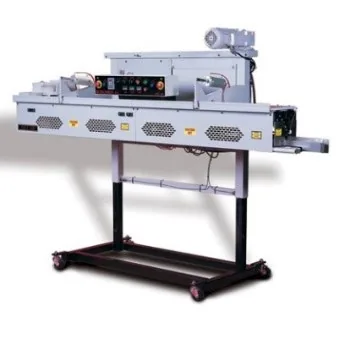
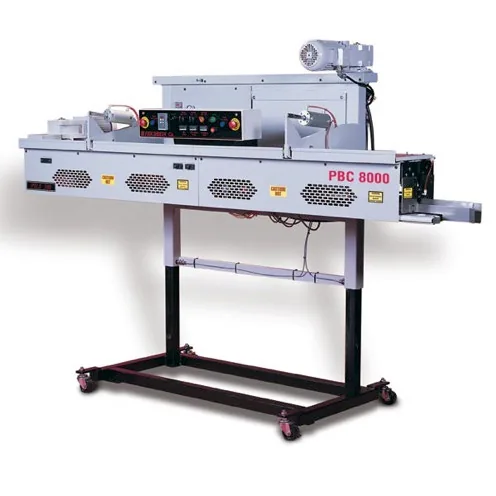
Fischbein PBC 8000
Made in: United StatesFor high-volume automatic lines with pre-glued pinch paper bags. Three independent heat zones and extended infeed.
Bag sealing
Not every bag is sewn. For polyethylene or heat-sealable bags, gusseted bags or very fine powders, heat sealing or hot melt gives an airtight closure. We help you choose the right technology.
Closing technologies
The technology depends on the bag material, the product and the speed of your line.
Equipment
Factory equipment to seal everything from plastic bags to multiwall paper sacks on automatic lines.
Quick guide
| Situation | Belt | Hot air | Pinch / PILS | Sewing |
|---|---|---|---|---|
| PE or heat-sealable bag | Ideal | Ideal | — | — |
| Laminated polypropylene | — | — | — | Ideal |
| Multiwall paper bag | With liner | — | Ideal | Ideal |
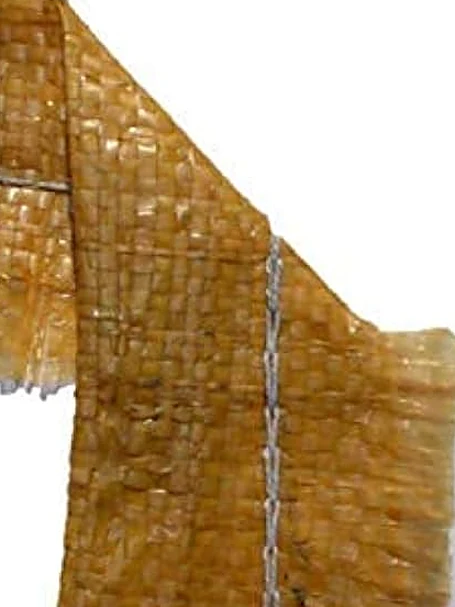
| Woven polypropylene | — | — | — | Ideal |
| Very fine powder | Good | Good | Ideal | With crepe tape |
| Very dusty environment | Fair | Ideal | Good | Good |
| Moisture inside the bag | Good | Not recommended | Good | Good |
| Explosion risk | Ask us | Not suitable | Ask us | Ask us |
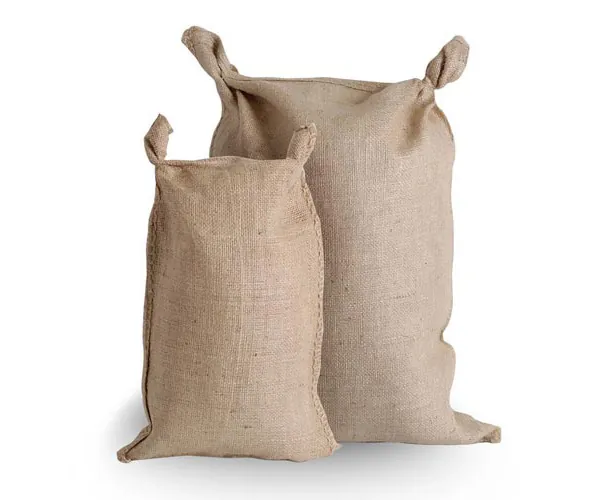
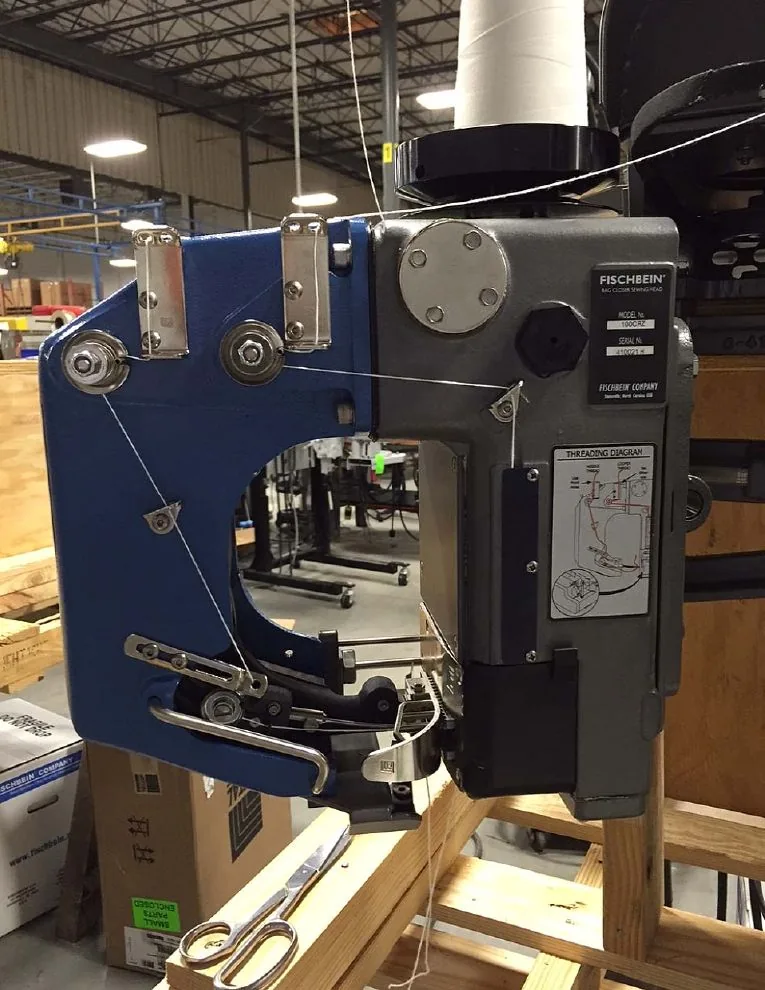
Sewing is more economical and works with paper, woven polypropylene and jute. Sealing gives an airtight closure on plastic bags and is the standard for products that cannot leak at all.
It depends on use and environment: from one set per week to one per month. That is why we recommend hot air in very dusty environments.
Yes. The poly-thru-paper system hermetically seals the inner bag and the outer bag is closed with a seam.
Tell us your product, bag type and daily output, and we will send you a quote for the equipment that fits your line.
Brands we represent


Seproma is the sole authorized Hamer-Fischbein representative in Costa Rica. Learn about the company.